
Cunningham Security · Salem, NH
Security Systems in Salem, NH
Security that fits how your Salem property is used—from a household with an accessory apartment to a retail business with shared parking and late deliveries.
Cunningham Security designs, installs and supports security alarms, cameras, access control and monitoring for Salem, New Hampshire homes and businesses. A useful design starts with the doors people actually use, the spaces that need separate access, and the condition of any existing equipment.
For a North Salem home, an accessory apartment or a business with public access, we can explain which equipment and permissions fit the people using the space.
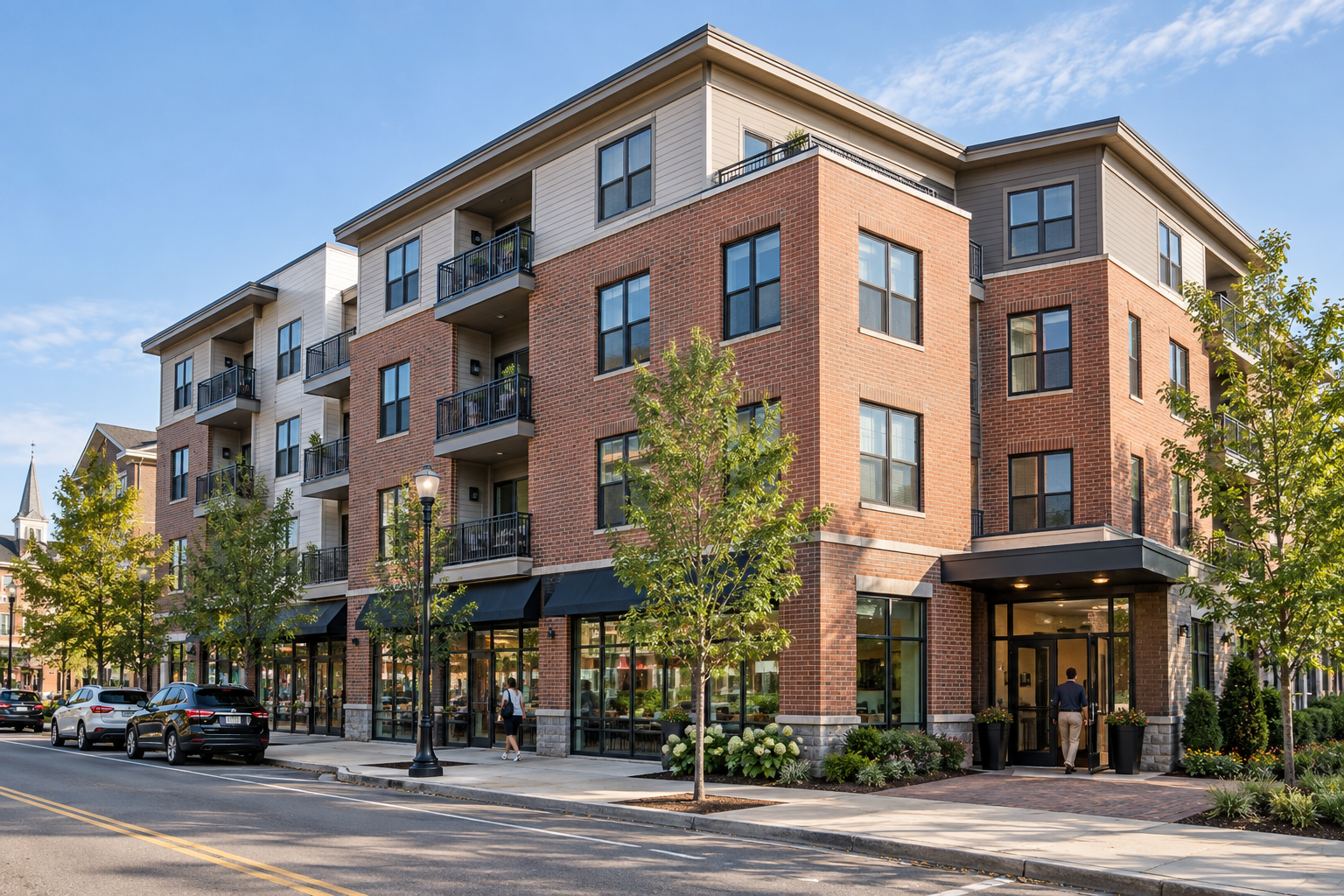
First, account for Salem’s police alarm permit
Salem Police requires an alarm permit and lists a one-time fee of $25 for a residence or $50 for a commercial alarm. The residential fee is waived when the principal occupant is at least 65. The department also asks users to keep their day-and-night emergency contacts current. Questions go to 603-893-1911, extension 0.
Make registration part of the installation or takeover checklist, alongside user training and monitoring setup. A building owner, tenant and alarm provider should agree on who supplies the permit information and who updates it when a manager leaves. This police registration is distinct from any electrical or construction permit needed for the installation.
An accessory apartment changes who should control the system
Salem revised its accessory dwelling unit ordinance on September 22, 2025. For a homeowner creating or renovating an ADU, the practical security question is how to let each household come and go independently.
- Independent entry: decide whether the main house and apartment need separate alarm areas or separate systems.
- Individual permissions: give residents and contractors distinct access credentials, with a clear process for removing old access.
- Camera boundaries: agree on coverage of shared drives and exterior entrances without aiming into another household’s private space.
- Shared infrastructure: identify who owns the network, pays for monitoring and receives equipment trouble notifications.
Discuss this before walls close. An unused cable route can be inexpensive during construction and awkward after a finished apartment is occupied. A security partition does not determine the building’s required fire protection.
Give each business camera a clear job
The town’s Tuscan Village plan archive includes apartments, retail and medical uses, plus shared-parking studies. That mix is a useful starting point when planning protection for a property shared by residents, customers and employees.
For a store or office, define the evidence each camera should capture: a usable view of someone entering, activity at the service door, or the point where deliveries change hands. One wide parking-lot view may document movement without providing enough detail to identify a person at a distant entrance.
Coordinate landlord cameras with tenant cameras, and keep access to recordings limited to the people who need it. For business alarm and access control, delivery and cleaning schedules should be considered before deciding which doors can be armed together.
Choose wiring after inspecting what is already there
A finished house with difficult cable routes may suit a wireless or hybrid intrusion system. A renovation with exposed framing gives you a better opportunity to wire door contacts and network cameras. Existing cable can be valuable, provided its condition, routing and compatibility support the proposed system.
Before replacing an older alarm, ask us to evaluate the panel, sensors and wiring separately. A new keypad alone does not resolve an intermittent damaged cable, and a complete replacement may be unnecessary when the wired field devices remain serviceable. Wireless additions should be checked at their intended locations and come with an understood battery-maintenance plan.
Our wired-versus-wireless comparison explains the tradeoffs. For cameras, assess power, network capacity and the route back to the recorder as part of the same walkthrough.
What Salem’s police logs can tell you
Salem Police publishes daily activity logs, with certain categories redacted. They can provide context about reported activity, but they are not a complete annual crime dataset. A call labeled as an alarm is not proof of a burglary, and town-wide activity cannot predict whether a specific home will be targeted.
A more useful site assessment asks where someone could approach unseen, which doors are left unattended, what goods or equipment would be costly to lose, and whether an owner could retrieve a clear recording after an incident. This keeps the investment tied to a real purpose. A household may benefit more from reliable entry detection and a well-positioned driveway camera than from adding several overlapping views.
Include the problems that can develop while you are away
If a home is unoccupied during workdays or extended travel, consider water detection near a water heater, laundry area or basement equipment, and low-temperature alerts where a loss of heat would matter. Placement should follow the building’s plumbing and heating arrangement, rather than a fixed device count based only on square footage.
For businesses, decide who receives a trouble signal outside operating hours. Review the panel’s backup power and the alarm’s communication path; camera recording, internet equipment and intrusion monitoring may have different dependencies during a power or broadband outage. These details belong in the proposal so you know which functions remain available and which require additional backup.
Use the home security cost calculator for an initial residential budget, then request a property-specific survey.
Salem security questions
Can Cunningham take over my existing Salem alarm?
Often, but compatibility and condition need checking. Send the panel model, a photo of the keypad and any recurring trouble messages. We will identify what can be retained, what needs replacement and what changes are needed for monitoring. Learn about our alarm takeover process.
Can my ADU and main house share one alarm?
They may be able to share a suitable partitioned system, but separate systems can make ownership, billing and resident privacy simpler. The choice depends on access routes, equipment capabilities and the households’ preferences. Required smoke and fire protection needs a separate review.
Do you also handle a Salem building’s fire alarm?
Yes. Commercial fire alarm work has a different approval, testing and monitoring scope from a burglar alarm. See our Salem commercial fire alarm guide before combining the two into a renovation schedule.
Talk with Cunningham about your Salem property
Use our New Hampshire service-area guide to explore regional coverage. Portsmouth office information and our Topsfield office page explain how to reach the regional team. Assignments depend on the address, project scope and available system expertise.
Salem commercial fire alarm services covers the companion service. NH fire alarm inspections and testing.
Get a property-specific security proposal
Request a Salem security assessment with your address, property use, existing system model and the problem you want to solve. If you manage another southern New Hampshire property, compare our Derry and Londonderry security guides, or visit the New Hampshire service hub.
Local sources reviewed September 8, 2026. Dated statistics and published forms are identified in the guide; confirm current requirements and charges for the proposed work.
